SnapPap

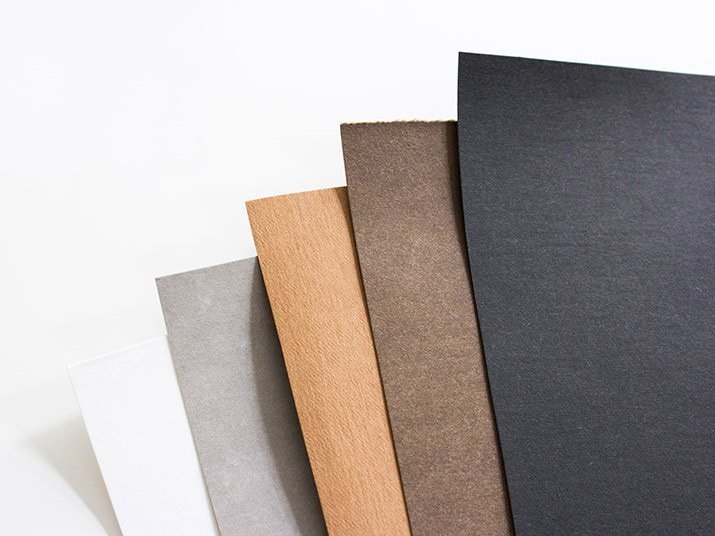
SnapPap is one of my favourite discoveries of recent years – a special creative paper that combines the advantages of paper and fabric.

SnapPap is machine washable, can be dyed, printed and sewn with a sewing machine – making it wonderfully suited to textile creations of all kinds.

The material consists of more than 60% cellulose, obtained from trees of northern European, sustainably managed forests (mainly spruce). The remaining ingredients are latex and colour pigments. SnapPap is vegan, contains neither pentachlorophenol, PVC nor BPA – and is neither harmful to the environment nor to health. It is produced in Germany.

What particularly excites me: SnapPap is tear-resistant, can be worked without finishing the edges and is easy to sew. The surface is abrasion-resistant and produces neither fluff nor pilling.

In short: a material that surprises – and convinces.

I also use SnapPap myself for some of my creations – you can find these here:
Similar Posts

  • Clean Clothes Campaign

    The Clean Clothes Campaign Austria is part of the international Clean Clothes Campaign (CCC) – one of the most important organisations worldwide for fair working conditions in clothing and footwear production. Since 1989 the CCC has been fighting for the improvement of workers' rights in the global clothing industry. It is represented in 16 European countries and works worldwide with over 200 partner organisations…

  • |

    Dyeing with natural Turmeric and Indigo

    Dyeing with natural colour pigments is no simple undertaking – and that is precisely what makes it so fascinating. The correct and most ecological preparation of the pigments is often accompanied by the preparation of the material to be dyed. What is important here: the chosen colours should be as lightfast and wash-resistant as possible – meaning they should neither fade quickly nor lose intensity when washed. Two of the few natural plant-based colour pigments that…

  • |

    DIY Screen Printing

    DIY screen printing at home – this may sound complex, but it is absolutely possible. Even classic screen printing with light-sensitive emulsion works at home – and it is worth it: this method is far more durable than printing with cut-out stencil motifs. What you need for it: the right equipment, enough dark space – and a proper printing table. And of course: patience and a joy for experimenting. Exposing the screen. For this…