DIY Screen Printing
DIY screen printing at home – this may sound complex, but it is absolutely possible. Even classic screen printing with light-sensitive emulsion works at home – and it is worth it: this method is far more durable than printing with cut-out stencil motifs. What you need for it: the right equipment, enough dark space – and a proper printing table. And of course: patience and a joy for experimenting.
Exposing the Screen
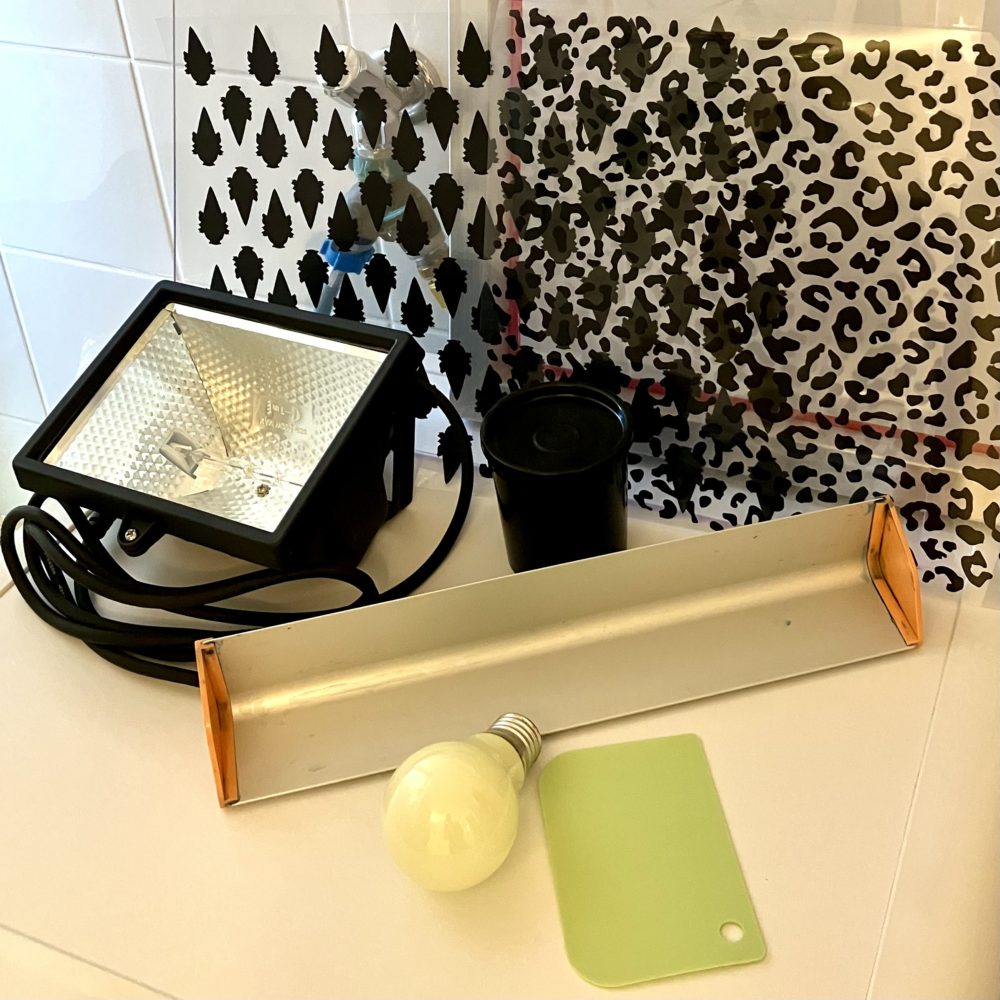
For this step you will need:
- a screen
- completely black-printed film (the black areas will be washed out later)
- a plexiglass plate in the appropriate size
- transparent tape
- light-sensitive photographic emulsion
- an emulsion squeegee and a spatula
- a yellow safelight lamp
- an exposure lamp and a timer
- a trough and a hose with a nozzle for washing out
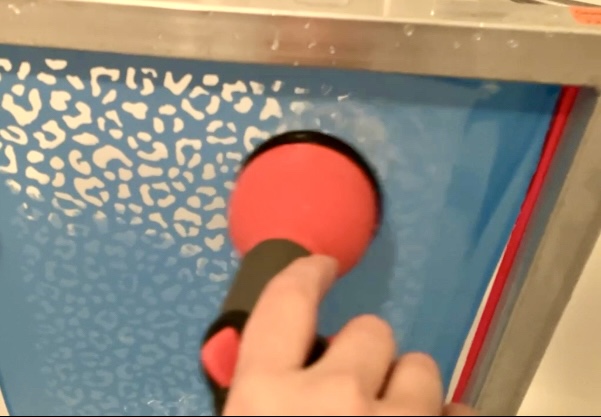
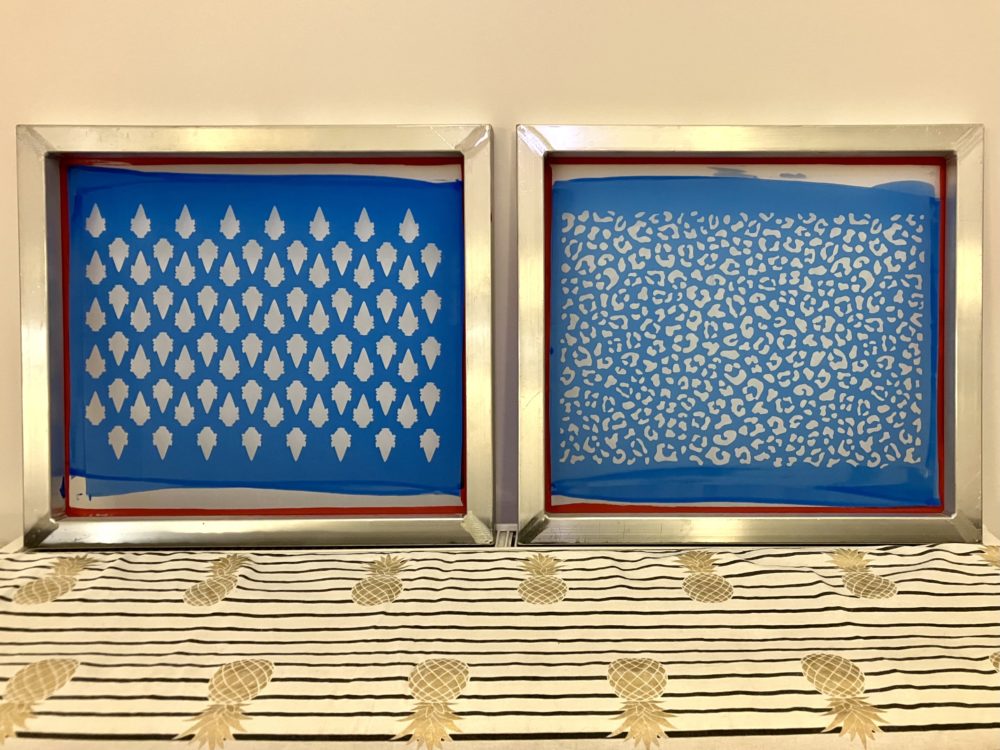
First the photographic emulsion is spread carefully but swiftly across the screen and dried – ideally in a dark room with at most yellow light, as this does not expose the emulsion prematurely. Then – still under yellow light – the film is taped onto the screen, the plexiglass plate is placed on top and the screen is exposed for the correct amount of time using the exposure lamp. After exposing, the screen is thoroughly rinsed out, dried again and post-exposed to fix it.
The Printing
For printing the screen must be completely dry.
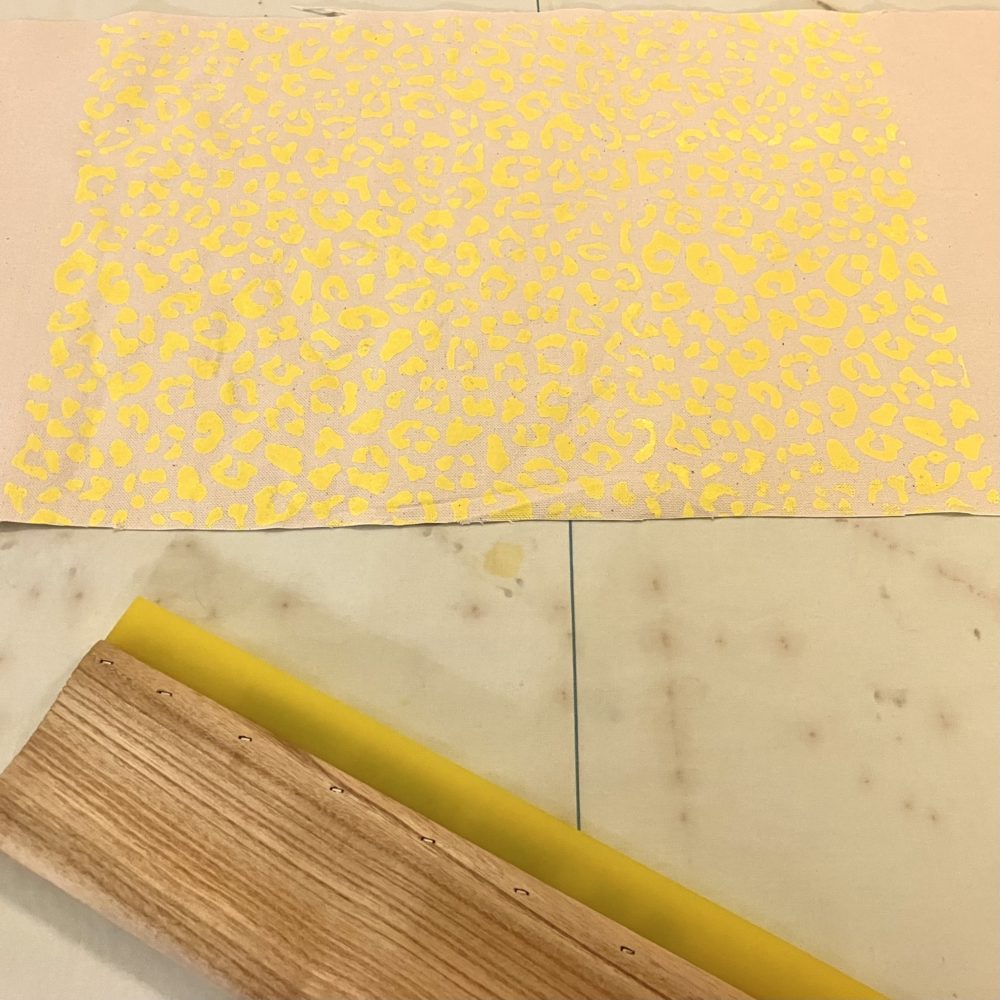
Any gaps are sealed with special tape. It helps greatly if the fabric – or paper – can be secured to the printing table: with pins, tape or special screen printing fixtures. The printing ink is applied evenly to a squeegee, the screen is held firmly and the ink-loaded squeegee is moved swiftly across the printing surface. Printing a repeat pattern – meaning a continuous pattern – is possible, but must be well prepared in advance. After printing, the printed material is left to dry; for fabrics it should be ironed on the reverse side to fix the ink. After that nothing stands in the way of further processing!
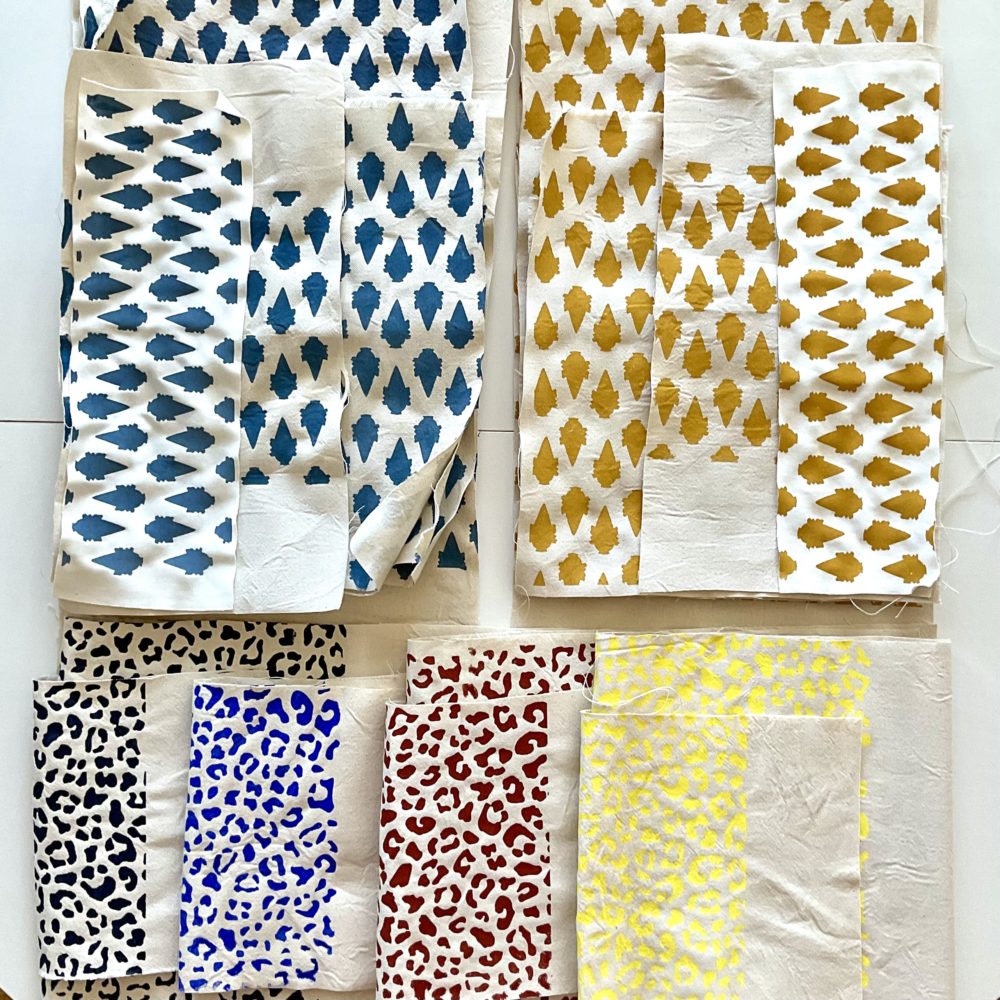
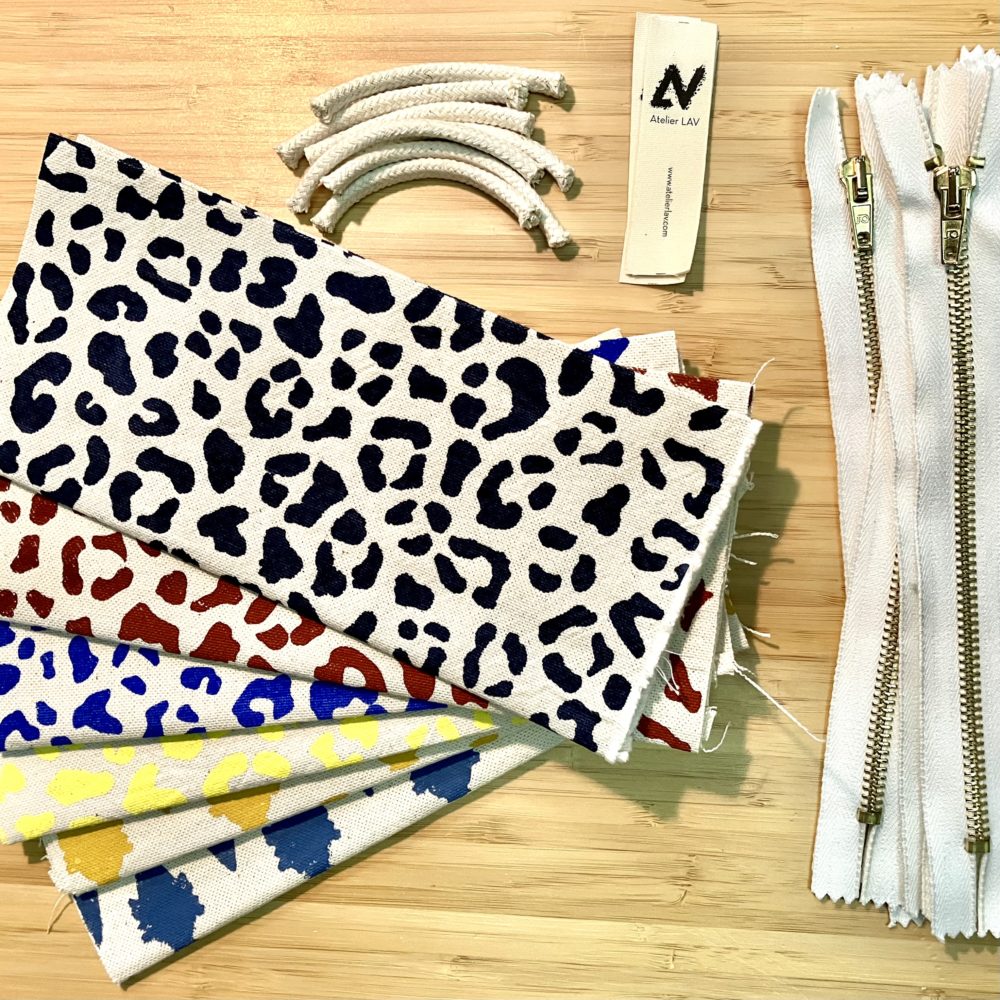
My Experience
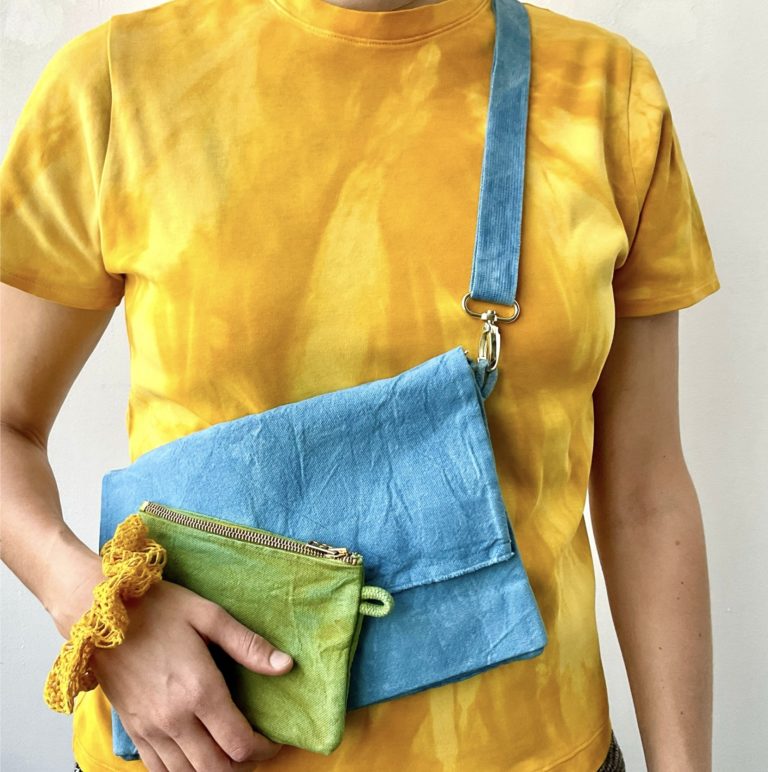
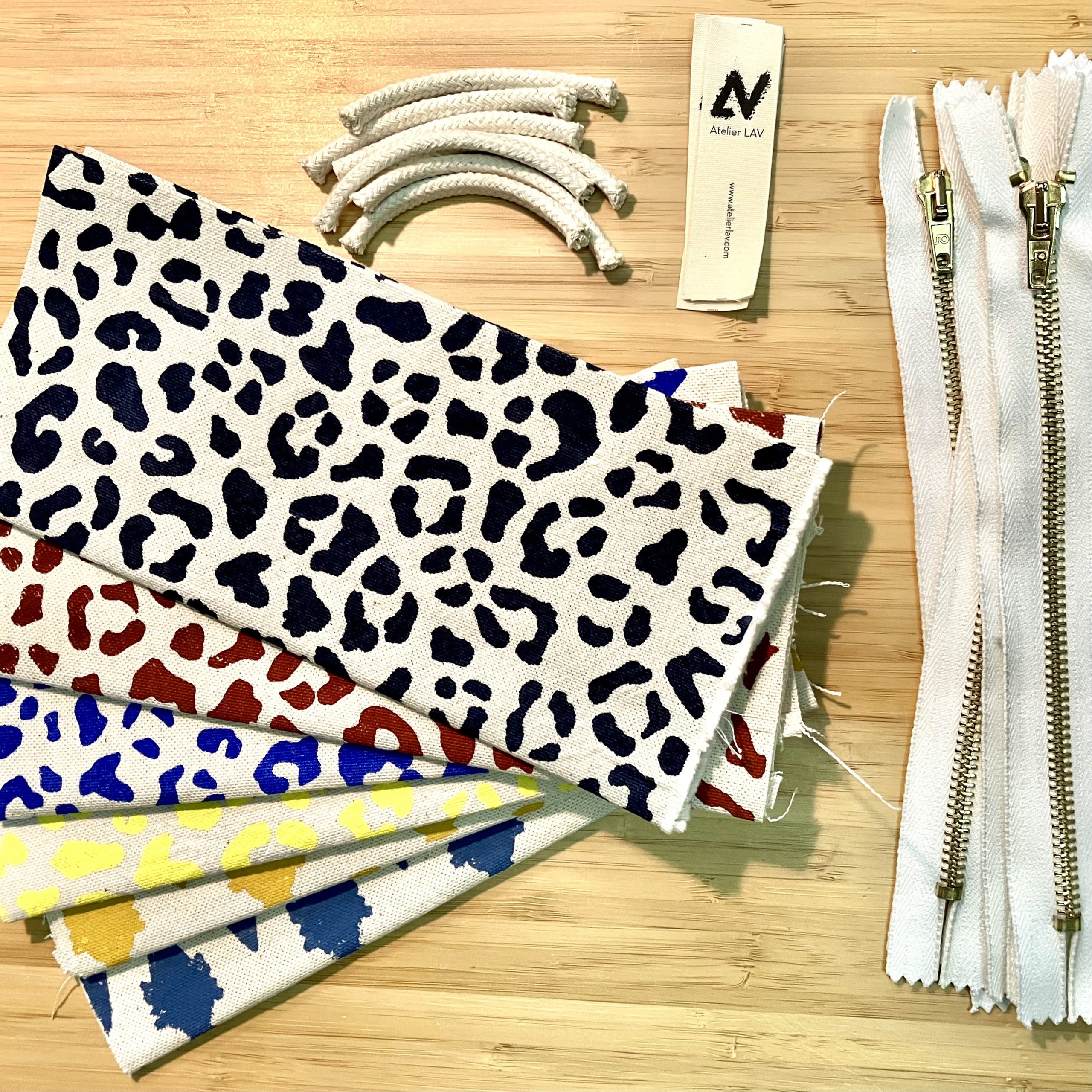
Some of my plastic-free Purses I have printed with my own designs and natural inks
via screen printing – and I am excited anew every time by the possibilities this technique offers.
For me, screen printing connects the craft with the
artistic – and thus fits perfectly with the philosophy
of Atelier LAV.
Some of my plastic-free creations are printed with screen printing and natural inks – take a look here: